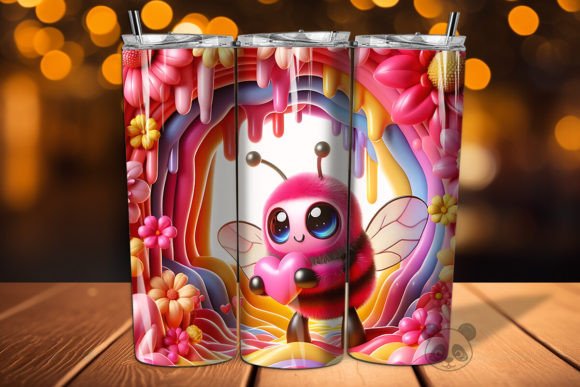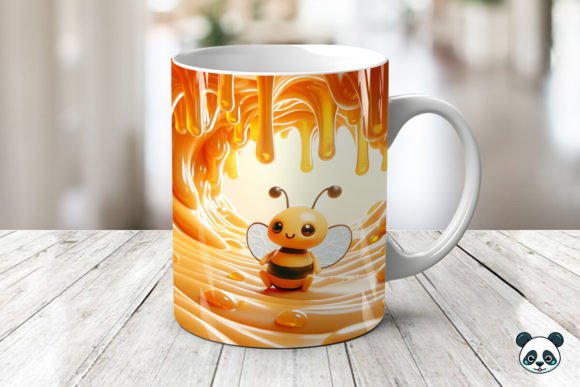
Integrating the Melting Bee 3D Mug Wrap Sublimation into Your Creative Workflow
In the evolving landscape of print-on-demand and custom merchandise creation, the transition from standard flat designs to immersive visual experiences is a critical differentiator for small business owners and independent creators. The Melting Bee 3D Mug Wrap Sublimation represents more than just a digital asset; it is a strategic component in a broader production workflow designed to capture consumer attention during high-value seasons like Valentine's Day. By understanding how this specific design fits into your operational pipeline, you can streamline your production process, ensure consistent quality, and maximize the appeal of your final products.
This guide explores the practical implementation of the Melting Bee 3D Mug Wrap Sublimation file, focusing on preparation, compatibility, and execution within a professional sublimation environment. Whether you are a hobbyist looking to refine your craft or an entrepreneur scaling your inventory for seasonal peaks, integrating this 3D cracked hole aesthetic requires a clear understanding of the technical requirements and the creative opportunities it presents.
Understanding the Asset and Its Role in Production
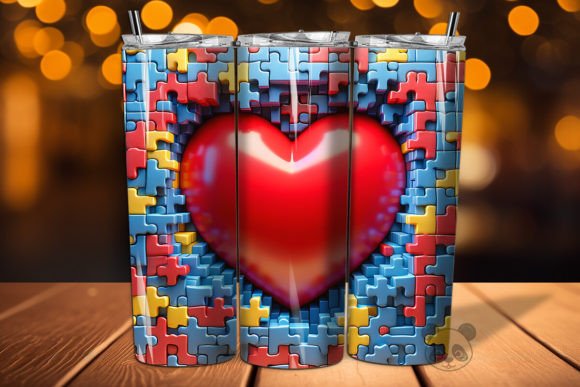
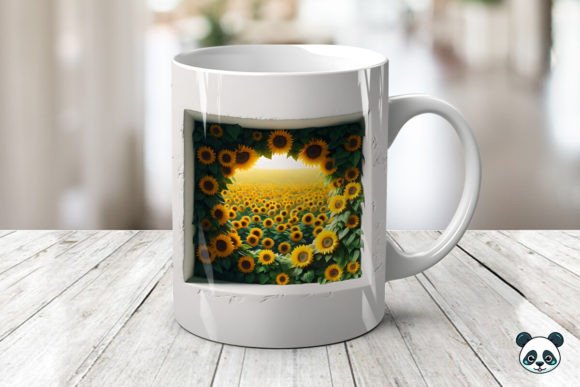
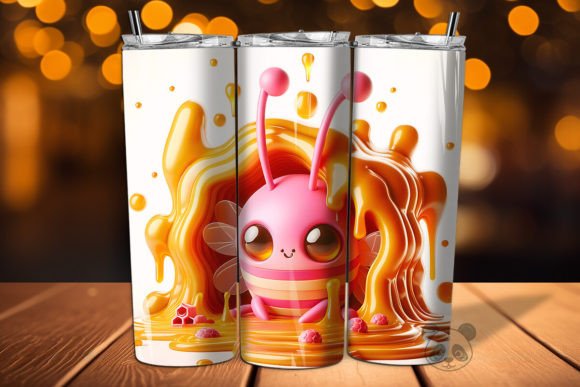
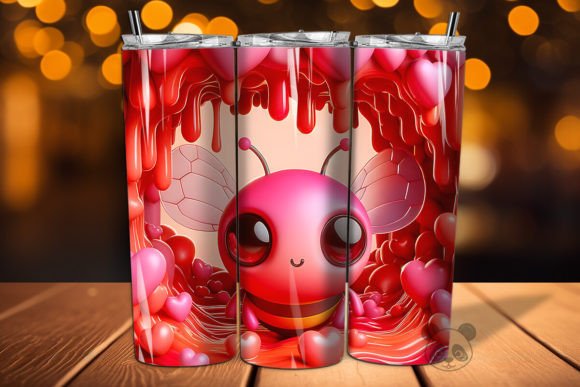
The Melting Bee 3D Mug Wrap Sublimation is a high-resolution digital file, typically provided as a PNG at 300 DPI with dimensions around 9.75 inches by 4.75 inches. In a practical workflow, this file serves as the core visual element for creating straight wall mugs, specifically targeting the popular 11 oz and 15 oz sizes. Unlike traditional watercolor or flat vector patterns, this design utilizes a "cracked hole" or 3D illusion effect. This visual depth creates a tactile perception that engages customers immediately, making it an ideal choice for gift-giving occasions where emotional impact drives purchasing decisions.
When planning your product lineup, consider where this asset fits in your catalog. It is not merely a background; it is a thematic statement. For Valentine's Day workflows, this design bridges the gap between novelty and elegance. It allows you to offer a product that stands out against competitors using generic seamless patterns. By positioning this item as a premium offering, you can justify higher price points based on the complexity of the visual effect and the perceived value of the 3D design.
Pre-Production: File Management and Compatibility
Efficient workflow management begins before the printer ever warms up. Upon receiving the instant digital download, your first step should be organized file storage. Since the package includes a single ZIP file containing the high-quality PNG, establish a naming convention that includes the date, theme (Valentine), and mug size compatibility. This practice ensures that when you are ready to fulfill orders months later, you can locate the correct asset without delay.
Compatibility is another crucial factor. The 9.75 x 4.75-inch dimension is optimized for standard straight mugs, but it is essential to verify these measurements against your specific mug supplier's templates. While the file is designed to be universal for 11 oz and 15 oz straight mugs, slight variations in manufacturer specifications can occur. Import the PNG into your preferred design software—such as Adobe Photoshop, Illustrator, or Canva—and overlay it onto your physical mug template. This step confirms that the "cracked hole" effect aligns correctly with the mug's curvature and that no critical design elements are lost near the seams or the handle area.
It is also vital to remember that this is a digital-only product. No physical items are included. Your workflow must account for sourcing blank mugs, sublimation paper, ink, and heat press equipment independently. Ensuring you have high-quality polyester-coated mugs is non-negotiable; the vibrancy of the 3D effect relies heavily on the substrate's ability to accept the dye accurately.
Execution: Printing and Pressing Techniques
Once the design is positioned within your template, the printing phase begins. To maintain the integrity of the 3D illusion, color management is paramount. The "Melting Bee" aesthetic likely involves specific contrasts between the dark cracks and the vibrant Valentine colors. Calibrate your sublimation printer to ensure deep blacks and rich reds or pinks, depending on the specific colorway of the design. Print on high-release sublimation paper, mirroring the image horizontally before printing to ensure the final result reads correctly on the mug.
During the pressing stage, the goal is uniform heat and pressure distribution. The 3D cracked hole design can be sensitive to ghosting or uneven transfer, which might break the illusion of depth. Use a mug press that offers consistent temperature control, typically around 380°F to 400°F, for the recommended time (usually 180 to 200 seconds). Secure the wrap tightly with heat-resistant tape to prevent shifting. Any movement during the press cycle can blur the edges of the 3D effect, diminishing the visual impact.
After pressing, allow the mug to cool naturally or use a forced cooling method if your workflow demands speed, but be cautious of thermal shock. Once the paper is removed, inspect the mug for color accuracy and alignment. The seamless nature of the pattern should result in a continuous visual experience around the circumference of the mug, with the 3D element appearing to float on the surface.
Strategic Integration for Business and Marketing
Beyond the technical production, integrating the Melting Bee 3D Mug Wrap Sublimation into your business strategy involves leveraging its unique selling points. For marketers and bloggers, this design offers excellent content opportunities. The visual nature of the 3D effect is highly shareable on social media platforms like Instagram and TikTok. Create short videos showing the mug from different angles to highlight the depth of the design, demonstrating how it differs from flat prints.
For educators and workshop leaders teaching sublimation, this file serves as an excellent case study for advanced design application. It illustrates how digital assets can transform a basic commodity into a bespoke gift item. When bundling products for Valentine's Day, consider pairing this mug with complementary items that share a similar color palette or theme, creating a cohesive gift set that increases average order value.
Long-term usability is another consideration. While marketed heavily for Valentine's Day, the underlying 3D cracked hole concept can be adapted or re-contextualized for other themes if the color scheme allows, or simply stored as a evergreen "novelty" design for year-round sales. However, its primary strength lies in seasonal relevance. Plan your inventory procurement and marketing campaigns to peak two to three weeks before February 14th, ensuring you have enough stock to meet demand without overproducing.
Quality Control and Customer Satisfaction
Maintaining high standards is essential for building a reputable brand. Because this design relies on a specific visual trick, quality control checks must be rigorous. Examine each finished mug for banding, color shifts, or incomplete transfers. A flawed 3D effect looks like a printing error rather than a stylistic choice, which can lead to returns and negative reviews. Implement a checklist for your fulfillment process that includes verifying the seam alignment and the clarity of the "crack" details.
Furthermore, clear communication with your customers is part of the workflow. Since the end product is a physical manifestation of a digital download you purchased, ensure your product descriptions accurately reflect the design. Use terms like "3D illusion," "seamless pattern," and "high-definition sublimation" to set correct expectations. Providing care instructions for sublimated mugs—such as hand-wash recommendations to preserve the image longevity—adds a layer of professionalism and care to your service.
In conclusion, the Melting Bee 3D Mug Wrap Sublimation is a versatile tool for creators aiming to elevate their product offerings. By treating the digital file as a key component in a structured workflow—from file organization and template verification to precise pressing and strategic marketing—you can efficiently produce high-quality merchandise. This approach not only streamlines your operations but also ensures that every mug leaving your shop delivers the visual impact intended by the design, satisfying both your creative standards and your customers' expectations.